

Keeping the cold chain intact for frozen meat is one of the most demanding responsibilities across the global food supply. Whether you’re a farmer, processor, logistics provider, exporter, or retailer, the duty to maintain consistent temperature control never takes a break. And now, with frozen meat consumption increasing worldwide—especially premium products from reliable Brazilian suppliers—the need to safeguard every step of the cold chain is more critical than ever.
Many businesses underestimate just how fragile frozen meat can be. A temperature shift of even 1–2°C may seem harmless, but in reality, such a change can allow bacteria to form, degrade product texture, shorten shelf life, and lead to border rejections. When that happens, you lose not only product but trust, money, and sometimes entire client relationships.
This detailed guide walks through every essential step of frozen meat cold chain integrity, the technologies that support it, the highest-risk points of the supply journey, and the measures responsible exporters take to keep their products safe and premium from source to destination.
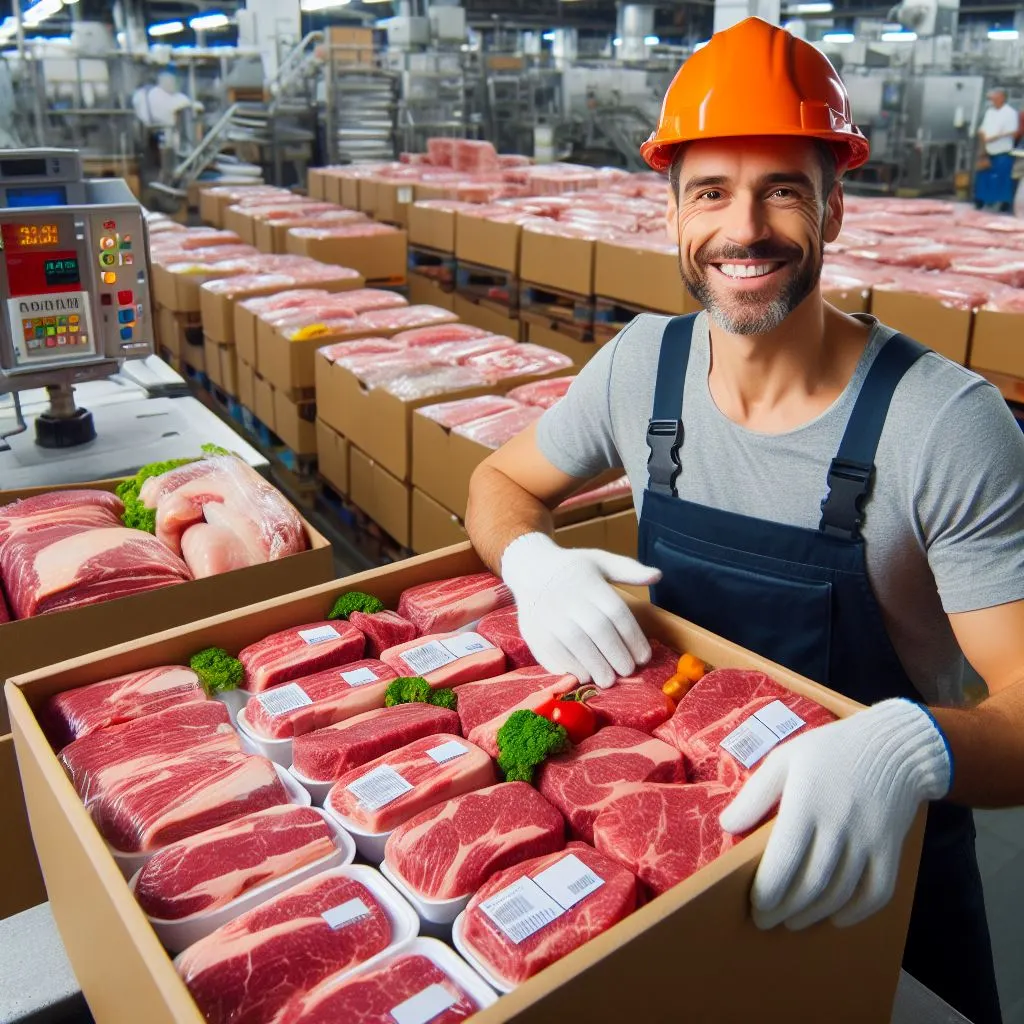
Why the Frozen Meat Cold Chain Matters So Much
The cold chain is a continuous, temperature-controlled system that keeps frozen meat fresh, safe, and high-quality from the moment it is processed. When frozen meat cold chain integrity is compromised—even for a short time—the consequences can be severe.
1. Quality Drops Immediately
The product may lose texture, become discolored, or develop off flavors. Ice crystal formation from repeated thaw and refreeze cycles permanently reduces quality.
2. Food Poisoning Risks Rise
As temperatures climb, even slightly, harmful bacteria can multiply rapidly. This not only poses a risk to consumers but also exposes companies to compliance violations.
3. Shipment Rejections Increase
International customs inspections are unforgiving. A minor temperature violation can result in a full shipment being turned away.
Exporters listed on Brazil Poultry maintain strict global compliance to avoid costly rejections.
4. Major Financial Losses
Spoilage, emergency disposal, rerouting, and refunds can destroy profit margins. One compromised container can cost tens of thousands of dollars.
5. Brand Damage
Your business reputation depends on consistency. Once customers experience a quality failure, it becomes difficult to regain trust.
This is why businesses treat frozen meat cold chain integrity as a foundational requirement—not an optional task.
A Step-by-Step Look at How Frozen Meat Moves Through the Cold Chain
To protect frozen meat cold chain integrity, each part of the supply chain must operate with precision. One weak link affects the entire system.
Below is a clear breakdown of the frozen meat journey.
1. Processing and Packing: The First Line of Defense
The frozen meat cold chain begins immediately after processing. Timeliness and hygiene are key.
To protect frozen meat cold chain integrity:
-
The product needs rapid chilling and freezing.
-
Vacuum sealing and strong packaging prevent freezer burn.
-
Proper labeling ensures traceability across borders.
-
Hygienic handling ensures a clean start to the cold chain.
Suppliers featured on Brazil Poultry follow international food safety standards, ensuring frozen meat begins its journey in optimal condition.
2. Cold Storage: The Temperature-Controlled Backbone
Cold storage facilities form the backbone of frozen meat cold chain integrity. A stable frozen environment must be maintained at all times.
Cold storage best practices include:
-
Keeping temperatures at –18°C (0°F) or lower.
-
Using automated temperature logging to track every degree.
-
Ensuring backup generators activate instantly during power outages.
-
Organizing inventory with proper airflow to maintain consistent freezing.
Facilities that rely on manual temperature checks instead of automated systems take unnecessary risks.
3.Transportation: The Weakest Link—and the Most Critical
Transporting frozen meat from one location to another is the stage where frozen meat cold chain integrity is most at risk. Even a well-frozen product can be ruined by careless handling.
Requirements include:
-
Certified refrigerated trucks and frozen containers.
-
Fully calibrated cooling systems.
-
Pre-cooled trucks before loading.
-
GPS and real-time temperature monitoring.
-
Drivers trained to follow strict cold chain protocols.
Door sensors and live tracking ensure that any unexpected opening or malfunction is reported immediately.
Exporters aligned with Brazil Poultry follow strict transport guidelines to ensure delivery quality remains consistent worldwide.
4. Distribution Centers: Minimizing Exposure Time
Distribution centers handle massive volumes of frozen meats, and any slip in handling can compromise thousands of products in minutes.
To protect frozen meat cold chain integrity, DCs must:
-
Use cross-docking processes to reduce time spent outside controlled environments.
-
Follow strict loading and unloading procedures.
-
Maintain detailed temperature logs for future audits.
-
Provide continuous staff training for proper frozen meat handling.
A single mistake here can ripple through the entire supply chain.
5. Retail Handling: The Final Phase Before Consumers Purchase
Even if every previous step was flawless, retailers can still damage frozen meat cold chain integrity by ignoring freezer management.
Best retail practices:
-
Never overload freezers (it restricts airflow and causes partial thawing).
-
Conduct regular temperature checks throughout the day.
-
Keep products away from warm air drafts (from doors or vents).
-
Train staff to handle frozen meat properly.
Consumers expect frozen meat to be safe and consistent. Poor retail handling undermines the entire system.
Technologies That Strengthen Frozen Meat Cold Chain Integrity
Modern technology plays a crucial role in protecting frozen meat quality and compliance. Businesses that prioritize frozen meat cold chain integrity rely on:
1. IoT Monitoring Devices
Sensors continuously track temperature and humidity, sending alerts if anything changes.
2. RFID Tracking Technology
These tags provide real-time data on product location and temperature, which helps identify issues before they escalate.
3. Blockchain Systems
Blockchain offers a tamper-proof digital record of every stage, ensuring complete transparency.
4. Automated Temperature Alarms
Instant notifications allow staff to take action when temperatures rise unexpectedly.
5. Predictive Analytics Tools
Using historical data, predictive systems identify potential equipment failures in advance.
Top exporters listed on Brazil Poultry use these technologies to stay compliant and maintain a global reputation for quality.
The Most Common Threats to the Frozen Meat Cold Chain
Even robust systems face challenges. Common risks to frozen meat cold chain integrity include:
Power Outages
Sudden loss of electricity can cause rapid temperature changes unless generators engage immediately.
Human Mistakes
Improper training or carelessness can lead to open doors, blocked airflow, or incorrect handling.
Equipment Failures
Faulty compressors, sensors, or insulation issues can compromise product safety.
Delays at Ports and Customs
In hot climates, long delays during inspection can trigger temperature swings.
Faulty Loading Practices
Overpacking or blocking vents reduces cooling efficiency.
Businesses that value frozen meat cold chain integrity must rely on training, automation, and proactive monitoring to avoid these risks.

How Trusted Exporters Guarantee Frozen Meat Safety
Reputable exporters—especially those working with Brazil Poultry—take extra steps to ensure that frozen meat reaches its destination in perfect condition. Their systems often include:
-
Advanced freezing tunnels to lock in freshness quickly.
-
Automated cold storage facilities with constant monitoring.
-
International certifications like HACCP, ISO, and BRC.
-
Strict transport and handling protocols that guarantee temperature integrity from start to finish.
-
Regular audits and inspections to ensure compliance with global safety standards.
These exporters view frozen meat cold chain integrity as the foundation of their brand promise.
Conclusion: Protecting Frozen Meat = Protecting Your Brand
Maintaining frozen meat cold chain integrity isn’t optional—it’s a core requirement for food safety, customer satisfaction, global compliance, and brand reputation. Every stage of the supply chain matters, from processing to retail freezer shelves.
Businesses that invest in reliable technology, training, and strict handling protocols are the ones that consistently deliver high-quality frozen meat to customers worldwide.
If you’re looking for verified, globally trusted exporters, explore the suppliers listed on Brazil Poultry—leaders in quality, safety, and cold chain reliability.