

In today’s fast-paced global food industry, frozen chicken breast has become a cornerstone product for wholesalers, distributors, and food service operators. Whether supplying supermarkets, restaurants, or large-scale catering services, businesses rely on frozen poultry for its consistency, safety, and year-round availability.
For importers and buyers looking for reliable supply chains, Brazil Poultry has established itself as one of the most trusted names in the export of frozen chicken breast and other high-quality poultry products.
1. Understanding Frozen Chicken Breast in the B2B Market
The frozen chicken breast segment represents one of the most in-demand categories in global meat trade. Known for its versatility, lean protein profile, and neutral flavor, it serves as a base for countless food applications—from ready-to-cook products to processed meals.
Businesses prefer frozen poultry over fresh alternatives because it ensures long shelf life and stable inventory management. This reliability allows importers and retailers to maintain consistent supply even during fluctuating production seasons or transportation delays.
For many companies sourcing from Brazil, Brazil Poultry offers a robust network of certified suppliers that meet international safety and halal standards—an essential factor for export markets across the Middle East, Asia, and Africa.

2. Why Frozen Chicken Breast Is a B2B Essential
a. Cost Efficiency and Storage
Freezing preserves chicken at its peak quality, reducing waste and lowering the overall cost per unit. Businesses benefit from bulk purchasing without the risk of spoilage, which makes frozen chicken breast an economically smart choice for food manufacturers and restaurant chains.
b. Global Logistics and Export Stability
With advanced cold chain logistics, suppliers can deliver frozen products across continents without compromising freshness. Leading exporters like Brazil Poultry maintain strict temperature-controlled environments throughout shipping and storage, ensuring that each frozen chicken breast reaches its destination in premium condition.
c. Standardized Quality
For B2B buyers, uniformity matters. Frozen chicken products are processed under precise specifications—size, weight, and trim consistency—helping brands maintain predictable portion sizes and menu standards.
3. The Advantages of Sourcing Frozen Chicken Breast from Brazil
Brazil is one of the world’s top poultry exporters, renowned for its sustainable farming methods and compliance with international health regulations. Exporters in Brazil, such as Brazil Poultry, follow strict HACCP and ISO protocols, ensuring every frozen chicken breast meets export-grade quality.
a. Competitive Pricing
Brazilian poultry producers benefit from large-scale operations and efficient feed production, allowing them to offer competitive prices to global buyers. This is particularly advantageous for importers in regions with high meat demand and limited local production capacity.
b. Sustainability and Animal Welfare
Modern poultry farms in Brazil prioritize responsible farming. This includes feed optimization, reduced water usage, and humane treatment of birds—all vital concerns for ethical sourcing and long-term sustainability in the food supply chain.
c. Certification and Compliance
Most exporters comply with halal, USDA, and EU standards, which gives global partners peace of mind when importing frozen chicken breast into their local markets.
Learn more about compliance and export procedures directly through Brazil Poultry’s website.
4. How Frozen Chicken Breast Supports Food Manufacturers
The versatility of frozen chicken breast makes it ideal for further processing. Food manufacturers can efficiently use it in:
-
Ready-to-eat meals
-
Frozen entrees and snacks
-
Canned or packaged meat products
-
Protein-based meal kits
-
Institutional catering (airlines, hospitals, and schools)
Because the meat retains its texture and nutritional integrity after thawing, it ensures consistent flavor and quality across product lines.
For long-term supply partnerships, Brazil Poultry provides a range of cut options—boneless, skinless, individually quick frozen (IQF), and bulk-packed—tailored for manufacturing needs.
5. The IQF Technology Behind Frozen Chicken Breast
One of the most significant innovations in poultry processing is Individually Quick Frozen (IQF) technology. Unlike traditional block freezing, IQF freezes each piece separately in a matter of minutes. This prevents ice crystallization and preserves texture, making the product easier to portion and cook later.
For industrial buyers, IQF frozen chicken breast minimizes waste, enhances flexibility, and reduces thawing time—a perfect combination for food service operations.
Exporters like Brazil Poultry have invested heavily in IQF systems to ensure that every shipment maintains its freshness from plant to port.
6. Managing Supply Chains with Frozen Chicken Breast
Global supply chains are complex, involving multiple layers of logistics, customs, and temperature management. With frozen chicken breast, however, B2B buyers enjoy several logistical benefits:
-
Longer shelf life: Up to 12 months under proper conditions
-
Reduced spoilage risk: Lower exposure to temperature fluctuations
-
Easier planning: Reliable forecasting and bulk purchasing options
-
Flexible distribution: Ideal for multi-region sales and retail channels
Reliable suppliers like Brazil Poultry streamline this process through advanced tracking systems, dedicated export documentation, and customized packaging solutions that align with regional import regulations.
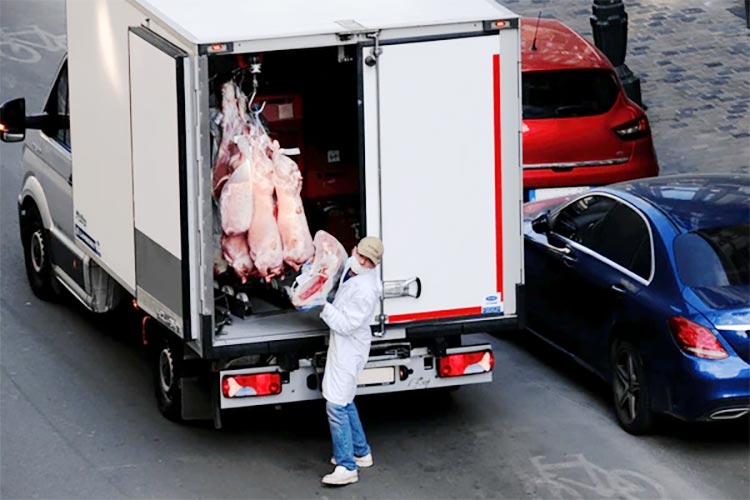
7. Quality Control and Food Safety Standards
Food safety is paramount in the poultry industry. Premium frozen chicken breast suppliers adhere to globally recognized certifications including:
-
HACCP (Hazard Analysis and Critical Control Points)
-
ISO 22000 Food Safety Management
-
Halal and Kosher certifications
-
Veterinary health certifications for export
Brazil Poultry’s rigorous testing ensures that every product batch meets microbiological safety standards before shipment. Regular audits, traceability systems, and strict hygiene protocols guarantee consistent product integrity.
8. Market Trends: Rising Demand for Frozen Poultry Products
The demand for frozen chicken breast continues to grow across Asia, the Middle East, and Africa. As urbanization increases and the food service sector expands, importers are turning toward reliable suppliers that offer both volume and quality.
Industry reports project steady growth in frozen poultry exports from Brazil, largely driven by:
-
Population growth in emerging economies
-
Expanding QSR (Quick Service Restaurant) chains
-
Increased protein consumption among health-conscious consumers
-
Globalization of food supply chains
Partnering with trusted exporters like Brazil Poultry allows importers to stay ahead of these trends while ensuring compliance and efficiency.
9. Practical Tips for Importers and Distributors
When sourcing frozen chicken breast, B2B buyers should evaluate several key factors:
-
Supplier reliability: Ensure certifications and consistent delivery records.
-
Cold chain integrity: Verify storage and transport conditions.
-
Packaging type: IQF vs bulk-packed, depending on application.
-
Product specification: Weight range, trimming, and labeling compliance.
-
Pricing transparency: Request detailed cost breakdowns and Incoterms.
Working with established exporters like Brazil Poultry simplifies this process, as their team assists with documentation, logistics coordination, and regional compliance.

10. The Future of Frozen Chicken Breast in Global Trade
As food safety regulations tighten and supply chains evolve, frozen poultry is becoming even more vital to global food security. The ability to store and ship frozen chicken breast efficiently across continents ensures a stable protein supply even during economic or environmental disruptions.
With ongoing technological advancements in freezing, packaging, and transport, buyers can expect even higher quality standards and longer shelf lives in the future.
By partnering with trusted suppliers such as Brazil Poultry, businesses gain access to reliable sourcing, sustainable farming, and global distribution expertise—all essential for scaling operations in the modern food market.
Conclusion
In the competitive world of food exports, frozen chicken breast remains a high-value commodity for B2B buyers who prioritize consistency, safety, and efficiency. With suppliers like Brazil Poultry, importers gain access to premium-quality products backed by industry-leading standards and sustainable practices.
Whether you are sourcing for wholesale distribution, retail packaging, or food manufacturing, frozen chicken breast delivers the perfect balance of quality, cost-effectiveness, and logistical convenience.
To explore supply options, certifications, and export details, visit Brazil Poultry today and discover how premium frozen poultry can elevate your business to the next level.