

Entering the world of poultry farming is exciting, rewarding, and filled with opportunity. Demand for chicken consumption continues rising around the world, and modern technology has made it easier than ever for new farmers to get started. However, even with all the advantages available today, many beginners still fall into the same poultry farming mistakes that can cost them time, money, and flock health.
If you’re just starting—or planning to start—your own poultry venture, understanding these common pitfalls will help you build a successful, profitable farm from day one. Below are the top 10 mistakes new poultry farmers make and how you can avoid them.
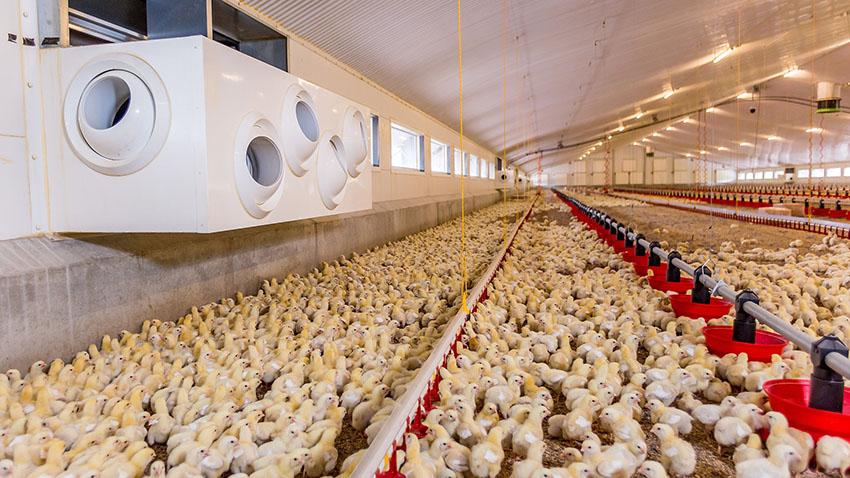
1. Starting Without a Clear Business Plan
One of the most frequent poultry farming mistakes beginners make is jumping into the business without a solid plan. Many assume poultry farming is simple—buy chicks, feed them, and sell the birds. But a profitable poultry farm requires clarity on:
-
Cost structure
-
Breeds and production goals
-
Housing systems
-
Feeding strategy
-
Market research
-
Processing and sales channels
-
Cash flow projections
Without a plan, farmers end up overspending, under-supplying, or losing birds to preventable issues.
How to Avoid It
Create a business plan outlining your farm’s size, goals, costs, timeline, and marketing strategies. Research the industry thoroughly, and study successful poultry brands such as Brazil Poultry to understand how professional poultry suppliers operate. You can explore their offerings here:
Brazil Poultry – Official Website
2. Choosing the Wrong Breed for the Market
Another common poultry farming mistake is selecting the wrong breed for your farm’s purpose. For example:
-
Broilers for meat
-
Layers for eggs
-
Dual-purpose breeds for mixed farms
Some farmers choose breeds based on appearance, cost, or availability—not suitability. This reduces productivity and profitability.
How to Avoid It
Choose breeds based on market demand, climate, and production goals. Conduct small-scale trials before scaling up. If your market focuses on meat production, research quality suppliers of frozen chicken to understand consumer expectations.
Explore Frozen Chicken Products
3. Poor Housing Design and Ventilation
New farmers often underestimate how much proper housing affects bird health. Poor ventilation, overcrowding, and weak predator protection are major poultry farming mistakes that lead to:
-
Heat stress
-
Respiratory diseases
-
Slow growth
-
High mortality
-
Reduced egg laying
How to Avoid It
Design housing that ensures:
-
Good airflow
-
Litter dryness
-
Proper lighting
-
Adequate space
-
Predator-proofing
-
Easy sanitation
Ventilation is non-negotiable—stale, humid air is dangerous to birds.
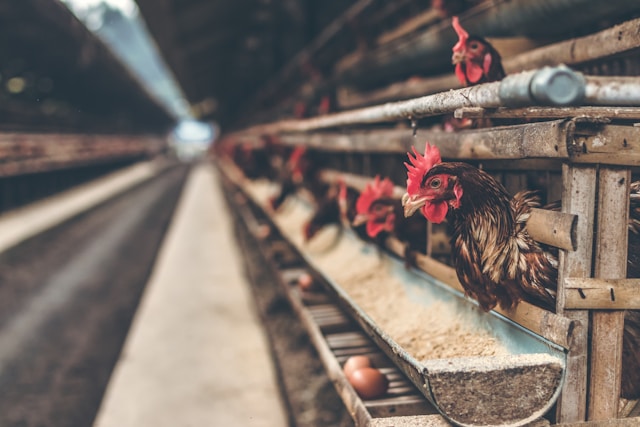
4. Overfeeding or Underfeeding the Birds
Nutrition errors are among the biggest poultry farming mistakes affecting flock performance. Underfeeding leads to weak chickens, slow growth, and poor egg production. Overfeeding, on the other hand, increases cost and leads to obesity—a serious health risk.
How to Avoid It
Use age-appropriate feed formulated for your breed and farm goals. Broilers, layers, and dual-purpose birds all need different nutritional profiles. Work with a poultry nutritionist if possible, and monitor feed conversion ratios (FCR) regularly.
5. Neglecting Biosecurity Measures
Biosecurity is the backbone of poultry farming, yet many beginners overlook it. A single contaminated shoe or infected bird can wipe out an entire flock. Among all poultry farming mistakes, this one often has the highest financial cost.
How to Avoid It
Implement strict biosecurity:
-
Footbaths at entry points
-
Controlled farm access
-
Regular cleaning and disinfection
-
Quarantine for new birds
-
Pest and rodent management
-
Proper waste disposal
Prevention is far cheaper than treatment.
6. Buying Low-Quality Chicks
New farmers sometimes try to save money by purchasing cheap chicks from unreliable sources. This is one of the most damaging poultry farming mistakes because poor-quality chicks often have:
-
Weak immunity
-
Slow growth rates
-
High mortality
-
Higher risk of disease
How to Avoid It
Always buy chicks from certified hatcheries or reputable poultry suppliers. High-quality chicks recover their cost quickly through better growth and performance. Partnering with trusted poultry brands ensures consistent results.
7. Improper Disease Management
Many new farmers don’t know the early signs of poultry diseases, leading to delayed treatment and rapid spread. Some also misuse antibiotics, creating resistant bacteria and harming the flock’s long-term productivity.
How to Avoid It
-
Vaccinate your birds on schedule
-
Use medication only under veterinary guidance
-
Watch for symptoms like coughing, diarrhea, or lethargy
-
Isolate sick birds immediately
-
Keep detailed health records
Proactive health management reduces losses and improves overall farm efficiency.
8. Overcrowding the Birds
Overcrowding is a dangerous poultry farming mistake that causes:
-
Aggressive behavior
-
Peaking and cannibalism
-
Stress
-
Reduced growth
-
Lower egg production
-
Faster disease spread
Birds need space to move, feed, drink, and breathe properly.
How to Avoid It
Follow standard stocking practices:
-
Broilers: 0.5–1 sq. ft per bird
-
Layers: 1.5–2 sq. ft per bird
-
Free-range: 4–5 sq. ft per bird
More space leads to healthier, faster-growing chickens.
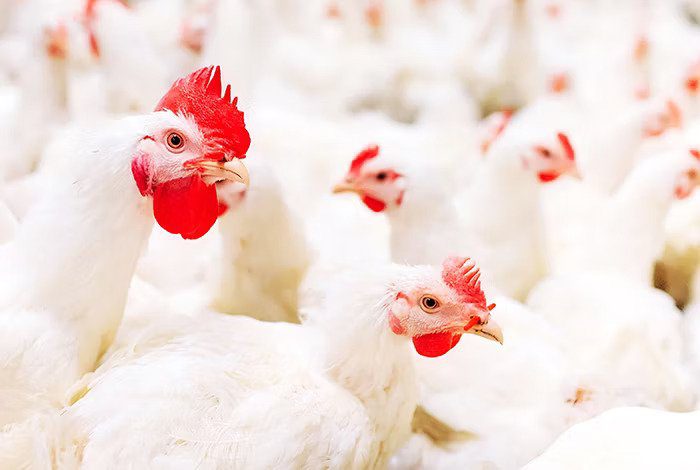
9. Ignoring Record Keeping
Many beginners operate casually without tracking financials, feeding costs, mortality, production rates, or medical treatments. This is a critical poultry farming mistake because without records, you can’t analyze performance or correct inefficiencies.
How to Avoid It
Keep detailed daily records of:
-
Feed consumption
-
Mortality numbers
-
Egg production
-
Weight gain
-
Medication
-
Expenses and profits
Use simple software or even a spreadsheet. Data-driven farming always wins.
10. Lack of Marketing and Sales Strategy
Some farmers successfully raise chickens but struggle to sell them profitably. Without a marketing plan, beginners fall into the final major poultry farming mistake—depending only on middlemen, who often pay low prices.
How to Avoid It
Develop multiple sales channels:
-
Local markets
-
Restaurants and hotels
-
Butcher shops
-
Online sales
-
Direct-to-home delivery
-
Selling frozen chicken products
-
Bulk sales to processors
Studying successful brands like Brazil Poultry helps new farmers understand market standards, packaging, and customer expectations.
Final Thoughts: Master the Basics, Avoid the Mistakes
Avoiding these poultry farming mistakes will set you on the path to a healthy flock, strong production, and a profitable business. Poultry farming is one of the fastest-growing agricultural sectors worldwide, and with careful planning, quality inputs, and proper management, you can succeed.
From choosing the right breed to keeping strong biosecurity, each step plays a major role in building a thriving poultry operation.
https://shorturl.fm/e8oqO